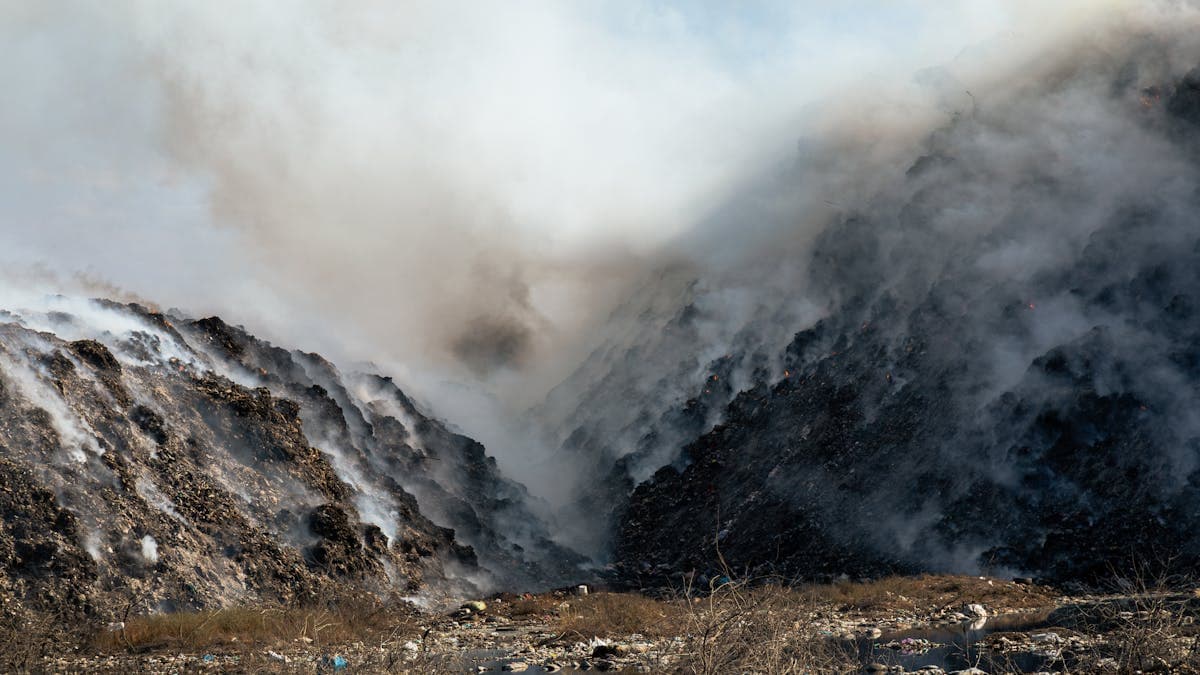
The council search tells a conveyancer what the authority holds on a property: planning, highways, land charges. It says nothing about what's in the ground, how the land was used a century ago, or whether the garden sits on a flood plain.
That's the environmental search. It's the report that looks past the paperwork at the physical risks attached to a site, and on a residential purchase it's about as routine as the council search itself.
Here's what a residential environmental search actually reports, when and why a conveyancer needs one, and where it fits in a search firm's workload.
What is an environmental search?
A residential environmental search is a desktop report that screens a property for physical and historic risks the council search doesn't cover. It typically flags contaminated land, flood risk and ground stability, drawing on historic land-use records, geological data and flood mapping. Most products also cover radon. The exact contents are product-dependent.
Think of it as the answer to a different question. The council search asks what the authority has recorded against the property. The environmental search asks what the land itself, and the land around it, might do to the buyer's interest.
It's compiled from data the council doesn't hold: old Ordnance Survey maps showing former industrial sites, British Geological Survey records, Environment Agency flood data, radon mapping. A provider pulls those layers together into one report keyed to the property's location.
What does an environmental search screen for?
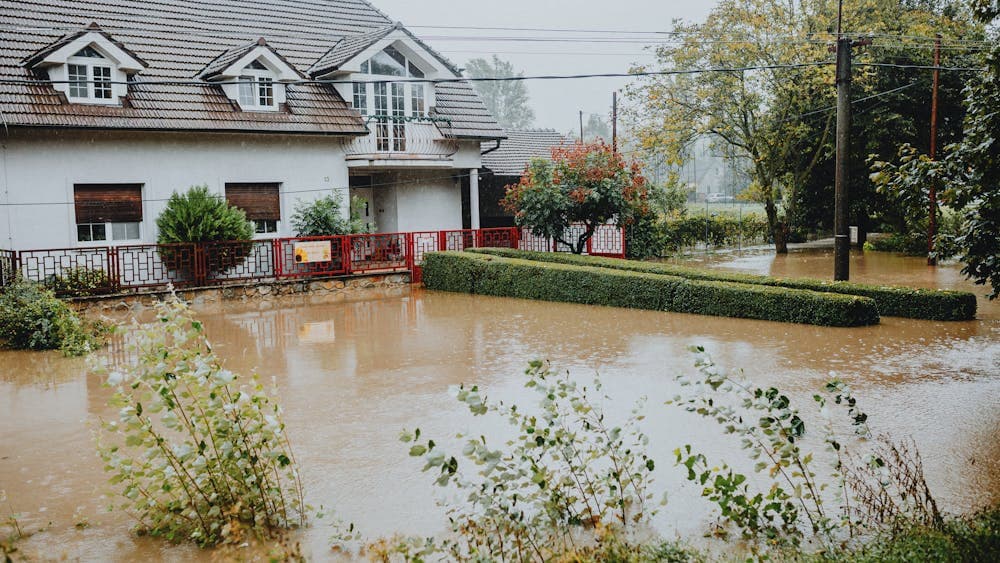
A residential environmental search screens for several distinct risk areas, with contaminated land, flood and ground stability the core three on almost every product. Many reports add radon, energy and infrastructure data, and planning context. What's included depends on the provider and the product tier you choose, so it's never a single fixed list.
The table below sets out the main risk areas you'll see on a typical residential report. Treat it as the common shape, not a definitive checklist — providers tier their products differently.
| Risk area | What it flags |
|---|---|
| Contaminated land | Historic industrial, landfill or fuel uses on or near the site that could have left contamination in the ground |
| Flood | Risk from rivers, coast, surface water and groundwater affecting the property |
| Ground stability | Subsidence, landslip and natural ground movement, including shrink-swell clay and historic mining where relevant |
| Radon | Whether the property sits in a radon-affected area and the level of any precautions advised |
| Energy & infrastructure | Nearby energy projects, planning applications and infrastructure that could affect the property (product-dependent) |
The first three are the ones a conveyancer is squarely expected to consider. The rest vary by product. A basic screening report and a full multi-hazard report with consultant review are very different documents, which is also why environmental search cost varies so widely between tiers.
When does a conveyancer need an environmental search?
In practice, on most residential purchases. It's the standard way a conveyancer meets the Law Society's contaminated-land and flood-risk practice notes — and the 2025 Climate Change Practice Note — which expect those risks to be considered and the client advised. The search is the means; the duty to advise is the point.
This is worth stating precisely, because it's often got wrong. The Law Society does not mandate a specific environmental search product. What its practice notes do is set the expectation that a conveyancer considers contaminated land and flood risk and advises the client accordingly. The Law Society flood-risk guidance sets out that expectation for flooding.
So the search isn't a tick-box the regulator demands by name. It's the practical tool the profession reaches for to discharge a duty it does have. The distinction matters when a client asks why it's on their bill.
When does it get skipped? Rarely on a purchase. It carries more weight where the history or geography points to a risk — a former industrial town, a known flood area, mining country — but the routine purchase gets one too, precisely because the conveyancer can't rule the risk out without looking.
Who provides the environmental data?
The reports come from specialist environmental data providers, with Landmark and Groundsure the two names most conveyancers and search firms will recognise. They compile historic land-use, geological, flood and radon data into a single residential report keyed to the property, rather than a conveyancer assembling those sources individually.
There's a useful parallel with the drainage search here. Just as the drainage and water searches come through water-company data via providers, the environmental search comes through these environmental data houses. Neither lives with the council. Both are separate provider workstreams.
A provider's residential range usually runs from a basic flood or contaminated-land screen up to a combined report covering every hazard area, sometimes with a consultant's opinion attached. Groundsure publishes its residential range, which gives a sense of how the tiers are structured.

Where does the environmental search fit in a search firm?
For a personal search company, the environmental search is a separate provider workstream that runs alongside the local authority search. The council request goes one way; the environmental order goes to a data provider through a different channel. One order, two streams, two return paths — same pattern as drainage.
That separation is fine in principle and awkward in practice. The address and UPRN you've already captured and matched for the council request have to make it onto the environmental order too. In a lot of firms that means a second portal login and the same details typed in again.
It's a small re-key on any one order. But the environmental search and the drainage search are both data-provider workstreams, and both get bolted onto the side of an order that already exists in your system. Place them by hand, separately, on every order, and the minutes add up the way they always do — quietly, invisibly, into real hours.
"People think the environmental search is the complicated one because of all the data behind it. It isn't. The provider does the hard part. The bit that costs you is the same address typed into a third portal, after the council and the drainage, because nobody joined them up. The risk data is their job. The re-keying is yours to stop."
— Valerie Bennett, Personal Search Veteran · June 2026
What good looks like
A well-run firm treats the environmental search the way it treats drainage: part of the order, not an afterthought. The address is matched once, then it flows to the council request, the drainage order and the environmental order without anyone typing it again. Every response lands in the same view.
That's the whole trick. The provider supplies the contaminated-land, flood and ground-stability data; your job is to place the order cleanly and track it alongside everything else. When the environmental search is part of the same flow rather than a separate errand, the order moves as one thing.
For the full picture, start with conveyancing searches explained, or see which searches are mandatory. To see provider placement working inside the order flow, Valio for solicitors shows how it fits.
Valio for solicitors → · Conveyancing searches explained → · Which searches are mandatory →